Complaints Procedure for Commercial Waste Removal Brimsdown
 Purpose and scope: This complaints procedure explains how issues related to commercial waste removal in Brimsdown and nearby service areas are handled. It applies to complaints about collection, handling, disposal and associated services provided by our rubbish removal operations. The aim is to resolve concerns promptly, fairly and transparently. We are committed to continuous improvement and to taking corrective action where appropriate. Customers using our commercial refuse services should expect clear communication and a documented process from initial report to final outcome.
What qualifies as a complaint: A complaint is any expression of dissatisfaction about the standard of service or behaviour of staff and contractors, including missed collections, littering, unsafe handling, billing disputes and damage to property. Complaints that raise legal or criminal issues will be recorded and directed to the appropriate authorities while remaining part of our internal record-keeping. Non-service related queries are handled separately to ensure complaints receive focused attention.
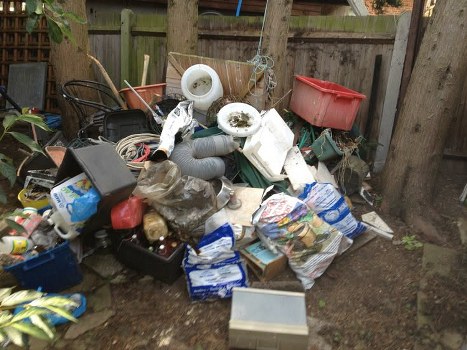 How to submit a complaint: You may communicate concerns in writing or through the channels described in your service agreement; verbal reports will be recorded. Every complaint should include the account or site reference, a clear description of the issue, date and time, and any supporting evidence such as photographs. We will acknowledge receipt within three working days and provide a reference number. Typical steps include:
- Initial acknowledgement and logging
- Assignment to an investigator or local operations lead
- Collection of evidence and statements
- Proposed resolution and timescale
Investigation process and response times
Following acknowledgement, an investigator will review records, route sheets and any photographic evidence, and seek inputs from drivers, depot staff and supervisors. We aim to conclude most investigations within 10 working days. If an inquiry requires more time—for example, complex billing queries or property damage assessments—we will notify the complainant with an expected completion date and interim updates. The investigation is impartial and focuses on establishing facts, identifying root causes and preventing recurrence.
Escalation and internal review
If the initial resolution is not satisfactory, complaints can be escalated within our organisation for a senior review. Escalation triggers a secondary assessment by a manager who was not involved in the original decision. This internal review aims to ensure consistency and fairness; it typically takes up to 15 working days. Where appropriate, an independent third-party mediator or industry adjudicator may be suggested to provide an external view. Escalation is intended to be constructive and to preserve service continuity while addressing the concern.Possible outcomes and remedies: Outcomes will be proportionate to the issue identified and may include an apology, corrective service visits, staff retraining, process changes, or a refund/credit where financial loss is demonstrated. In cases involving environmental harm or statutory breaches we will take corrective action, report to regulators where required, and update procedures accordingly. Remedies are documented and monitored to ensure the complaint is closed only after agreed actions are completed.
Record keeping, confidentiality and learning
All complaints are recorded in our complaints register and retained according to our data retention policy. Records include the complaint narrative, investigation notes, evidence, correspondence and the final outcome. Personal data is handled confidentially and only shared on a need-to-know basis with those involved in resolving the issue. Aggregated complaint data is used to inform service improvements, training programmes and operational audits to reduce recurrence.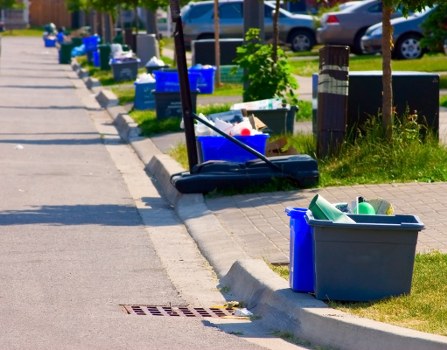 Service area considerations and reasonable expectations: While this procedure is written with our core commercial waste service area in mind — including the immediate Brimsdown vicinity and adjacent districts — it is designed to be applicable across contracted zones. Customers should allow reasonable time for corrective action given operational constraints such as vehicle availability, seasonal demand and regulatory requirements. Where service-level agreements exist, remedies will align with those contractual terms, and any deviation will be communicated clearly during the investigation.